

Understanding Design Trends
Design trends are more than passing styles—they reflect changes in technology, culture, consumer preferences, and the way people interact with the world around them. Whether you are designing a website, developing a brand, or creating digital content, understanding current design trends can help you create work that feels relevant, engaging, and purposeful.
What Are Design Trends?
Design trends are popular approaches, styles, techniques, or visual elements that become widely used within the design industry. They can influence everything from colors and typography to layouts, imagery, animation, and user experiences.
While trends can provide inspiration, good design is not simply about following what is popular. The most effective designers understand why a trend is emerging and consider whether it genuinely improves the experience for their audience.
Why Do Design Trends Matter?
Keeping up with design trends can help businesses and creators maintain a modern and professional appearance. A website that looks outdated may make visitors question whether the business itself is current and trustworthy.
Trends can also provide new ways to communicate ideas. For example, interactive elements, bold typography, minimalist layouts, and immersive visuals can make digital experiences more memorable and engaging.
However, trends should support a clear purpose. A visually impressive design is not successful if it makes information difficult to find or use.
Key Design Trends to Watch
1. Minimalist Design
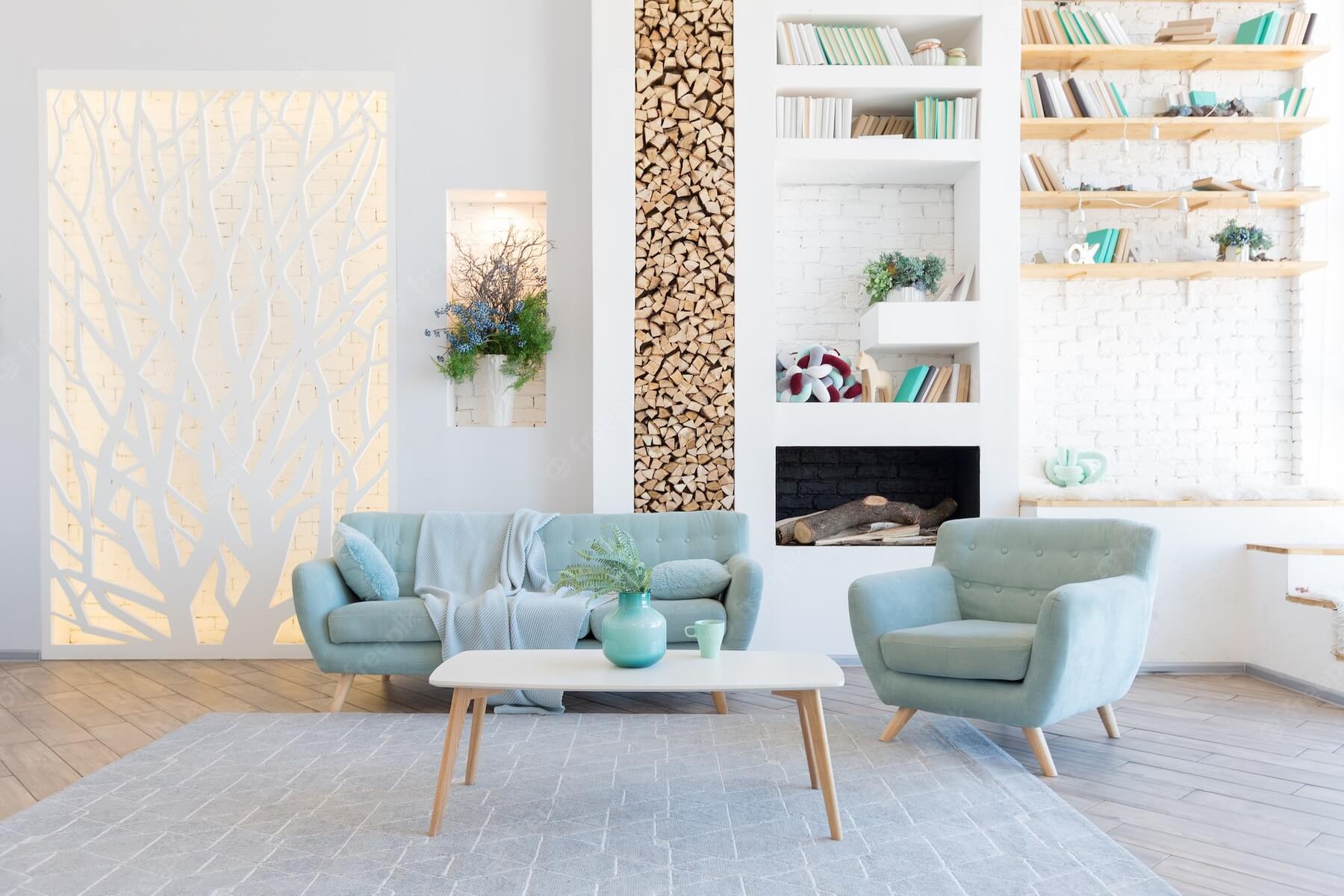
Minimalism continues to influence modern design. Clean layouts, generous white space, simple color palettes, and carefully selected visual elements allow important content to stand out.
The goal is not to remove everything from a design, but to remove unnecessary distractions.
2. Bold Typography
Large and expressive typography is becoming an increasingly important part of visual communication. Strong headlines can immediately capture attention while giving a brand a distinctive personality.
Typography can now function as more than a way to display information—it can become a major visual feature of the design itself.
3. Interactive Experiences
Users increasingly expect websites and digital platforms to respond to their actions. Subtle animations, hover effects, scrolling experiences, and interactive components can make a website feel more engaging.
The key is balance. Interactive elements should enhance navigation and storytelling rather than overwhelm the visitor.
4. Authentic Visuals
Many brands are moving away from overly polished and generic imagery in favor of visuals that feel more genuine. Original photography, natural compositions, illustrations, and distinctive graphics can help a brand appear more relatable.
Authenticity can be especially valuable in a digital environment where audiences are exposed to countless similar-looking designs.
5. Sustainable and Inclusive Design
Modern design is increasingly influenced by sustainability and accessibility. Designers are considering how their work affects the environment and whether digital experiences can be used by people with different abilities.
Accessible typography, appropriate color contrast, simple navigation, and inclusive imagery are examples of design choices that can create better experiences for a wider audience.
Should You Always Follow Design Trends?
Not necessarily. Trends can provide inspiration, but blindly following them can make a design feel temporary or disconnected from a brand’s identity.
Before adopting a trend, ask:
-
Does it fit the brand?
-
Does it improve the user experience?
-
Does it communicate the intended message?
-
Will it remain useful beyond the current trend cycle?
A strong design combines contemporary ideas with timeless principles such as clarity, consistency, usability, and visual hierarchy.
The Future of Design
As technology continues to evolve, design will continue to change with it. Artificial intelligence, immersive technologies, personalization, responsive experiences, and new digital platforms are likely to influence how designers work and how audiences interact with content.
The most successful designers will not simply copy what is popular. They will understand emerging trends, experiment with new ideas, and use them thoughtfully to solve real communication and user-experience challenges.
Conclusion
Understanding design trends is about more than knowing what looks fashionable. It is about recognizing the cultural, technological, and creative forces shaping modern design.
By staying informed while maintaining a strong focus on purpose and usability, designers can create work that feels fresh without sacrificing meaning. The best approach is to treat trends as tools—not rules—and use them when they genuinely make a design better.